Gingerbread houses are a must-have for the holiday season. Colorful, fragrant, and deliciously crunchy, they delight young and old alike. But where does this tradition of making them come from? And what do the symbols that adorn these treats signify? In this article, we’ll trace the origins of this age-old tradition and discover the symbols associated with it. From legends to folk traditions, and cultural influences along the way, you’ll learn everything about the mysteries of these gingerbread houses. A journey through history that will make your mouth water and fill you with wonder. So grab a cup of hot chocolate, get comfortable, and join me as we dive into the magical world of gingerbread houses.
The Origins of the Gingerbread House Tradition
The origins of the gingerbread house date back to the Middle Ages in Europe. At the time, gingerbread was considered a luxury food, reserved for the wealthy and served on special occasions. Little by little, bakers began crafting gingerbread houses to give to their most loyal customers.
However, it was in Germany that this tradition really took off in the 16th century, with the creation of the Christkindelmärik fair, where these gingerbread houses were sold. At the time, they were used to decorate Christmas trees and symbolize the birth of Jesus.
Today, making and decorating these gingerbread houses has become a fun and creative activity enjoyed by young and old alike. They have become an essential part of celebrating the holiday season and carrying on a tradition that transports us into a magical and delicious world.
The Key Ingredients in Gingerbread
Flour, honey, molasses, and spices (cinnamon, ginger, nutmeg, cloves) are the cornerstones of this traditional recipe. Honey adds a touch of sweetness and a soft, moist texture, while molasses adds depth and a lovely brown color.
For an even more flavorful gingerbread, you can add dried fruits, such as figs or raisins, as well as citrus zest for a touch of freshness.
And to ensure your gingerbread house holds its shape well, it’s important to add a little baking soda, which acts as a leavening agent.
The Symbolism of the Gingerbread House
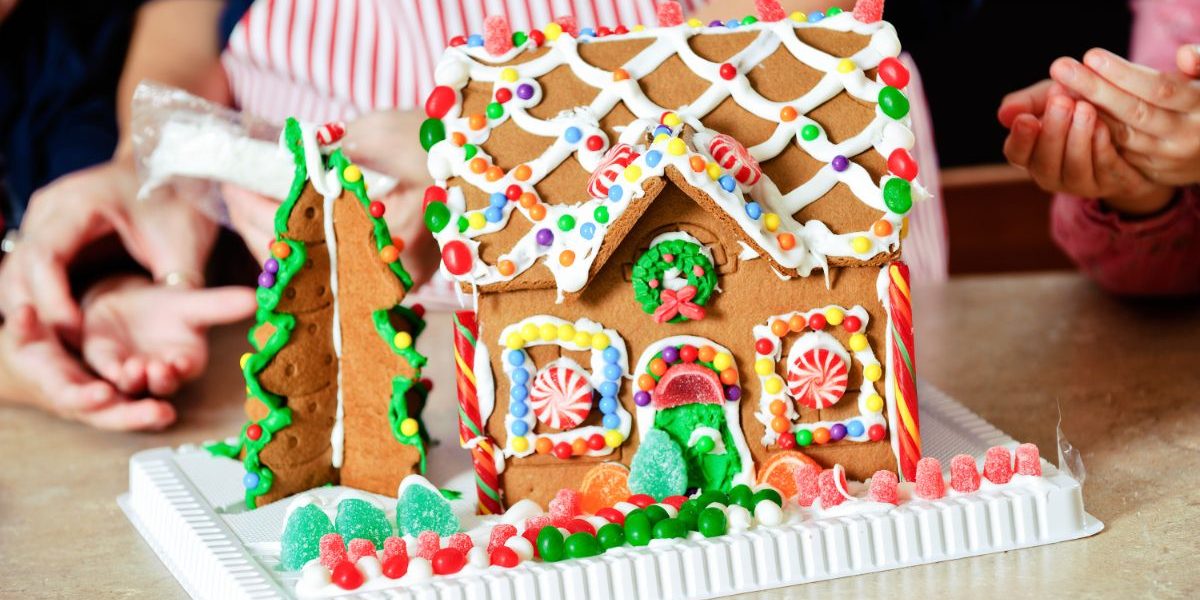
This little gingerbread house, decorated with icing and colorful candies, is much more than just a seasonal dessert. It carries deep and meaningful symbolism, evoking hospitality and sharing. In fact, the gingerbread house is traditionally given to loved ones and guests during the holidays to welcome them and wish them a happy new year.
It also embodies life’s simple pleasures, indulgence, and togetherness. Furthermore, its fragility reflects the precarious nature of our lives, reminding us to cherish every moment and our loved ones.
Discover the history and significance of gingerbread houses, symbols of a time-honored culinary tradition
In conclusion, we can say that the tradition of gingerbread houses is deeply rooted in our cultures and has proudly endured through the centuries. The many symbols associated with it make it a true emblem of the holiday season and help to preserve this artisanal craft. The making of these gingerbread houses—a truly meticulous and creative endeavor—is a genuine culinary heritage that we must preserve and pass on to future generations. Whether through stories and legends or simply by baking them with our loved ones, we are all united by this tradition that brings us together and warms our hearts during these winter months. So let’s let ourselves be enchanted by the captivating scent of spices and the wonder they bring as we create our own gingerbread houses—symbols of togetherness, sharing, and tradition.